



The Speaker of the House of Representatives, Tajudeen Abbas, on thursday advocated sweeping reforms of Nigeria’s intelligence architecture, declaring that the country must invest in sustainable funding, indigenous innovation and professional intelligence training to effectively confront growing security threats.
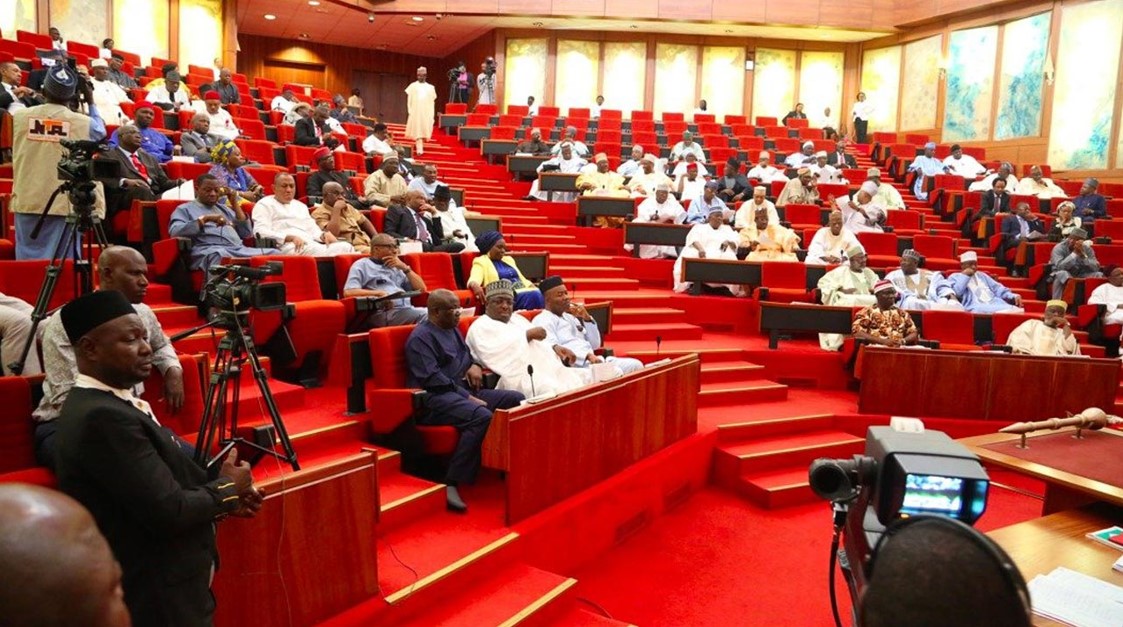
Speaking at a public hearing organised by the House Committee on National Security and Intelligence, Abbas said the three bills under consideration represent a comprehensive effort to strengthen the nation’s intelligence capabilities and institutional resilience.
The proposed legislation seeks to establish a Department of State Services (DSS) Security Trust Fund, a DSS Research and Development Bureau, and a Strategic Intelligence Management Institute.
According to the Speaker, national security remains the foundation upon which economic growth, social development and democratic governance depend, warning that no nation can prosper where citizens live under persistent fear and insecurity.
“Security is the foundation upon which every other national endeavour rests, from growing the economy to providing social services and deepening democracy. None of this is possible where citizens live under persistent fear and uncertainty,” Abbas said.
He noted that terrorism, banditry, kidnapping, cyber threats and transnational crimes continue to place enormous pressure on Nigeria’s security institutions, making it imperative to strengthen intelligence gathering, analysis and operational coordination.
Abbas identified inadequate and unpredictable funding as one of the major constraints facing intelligence operations, arguing that modern security challenges require sustained investment in logistics, technology and personnel welfare.
“The proposed Department of State Services Security Trust Fund Bill represents an important attempt to move away from unpredictable and sometimes inadequate funding mechanisms towards a more sustainable framework that strengthens operational readiness and institutional effectiveness,” he stated.
The speaker also stressed the importance of developing homegrown technological solutions to security challenges, saying Nigeria can no longer rely solely on imported technologies and foreign expertise to address its unique security realities.
He described the proposed DSS Research and Development Bureau as a strategic initiative that would strengthen local expertise in intelligence technology, cybersecurity and strategic analysis, enabling security agencies to anticipate threats before they occur.
Abbas further threw his weight behind the proposed Strategic Intelligence Management Institute, saying intelligence personnel require continuous training and professional development to effectively respond to contemporary security challenges.
The chairman of the House Committee on National Security and Intelligence, Hon. Ahmed Satomi, said earlier that the public hearing was designed to obtain expert opinions and stakeholder inputs that would help improve the proposed legislation before its eventual consideration by the House.
Satomi said the three bills are interlinked and aimed at addressing critical gaps in funding, professional training and Indigenous intelligence capacity.
“One addresses funding, the second addresses professional training and coordination, and the third addresses indigenous capacity and technology.
“Together, they aim to position our intelligence agencies to better protect Nigerians and Nigeria’s national interest,” he said.
He assured participants that all submissions and recommendations would be carefully considered in the committee’s final report.








Leave a Reply