


Dooyum Naadzenga
In Nigeria’s lush food basket, Governor Hyacinth Alia is championing a visionary energy initiative at the ideation stage, poised to convert rice husk waste into reliable, clean power for rural communities and agro-industries.
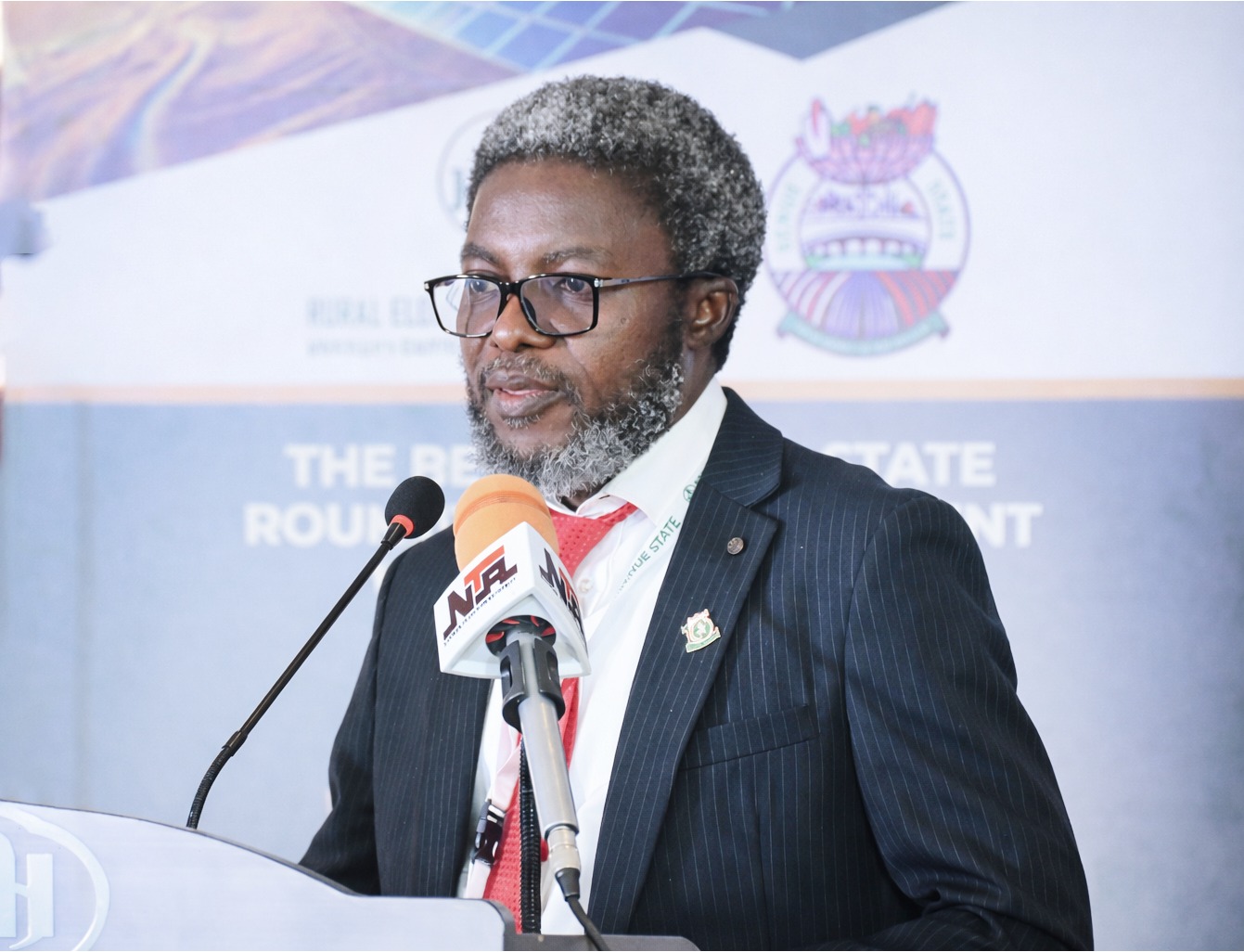
Through the Benue Investment Promotion Agency (BENIPA), led by Executive Secretary Dr John Paul Kpenkaan, Benue aims to harness biomass energy from rice mills to tackle chronic power shortages stifling productivity. This aligns with Alia’s commitments to human capital development, social progress, and agricultural growth.
Central to this vision is Benue’s planned independent Energy Commission, announced by Alia on January 28, 2026, at an Abuja Rural Electrification Agency (REA) roundtable—as detailed in the Daily Times Nigeria (“Benue to Ignite Energy Revolution with New Commission”). This specialised body, enabled by the Electricity Act 2023’s decentralisation provisions, will serve as a one-stop platform to coordinate energy investments, expedite approvals, and craft a comprehensive state master plan.

Prioritising renewables like biomass and solar alongside CNG infrastructure, it promises to de-risk projects, mobilise capital, and position Benue as Nigeria’s benchmark for energy-led development—creating thousands of green jobs while building climate resilience.
In January 2026, Alia signed the ₦695 billion state budget, more than doubling rural development funding to prioritise energy for processing hubs.
During a compelling investor presentation in Abuja recently, the ES of BENIPA, Dr Kpenkaan, evoked Gboko—a town of deep personal significance from his early schooling and emblematic of Benue’s rice milling heritage—as a symbol of untapped promise hobbled by unreliable electricity.
Gboko’s venerable rice mill captures the stakes: a key employer for farmers and the national rice supply, it produces vast husk heaps routinely burnt, releasing smoke pollution, soil degradation, and health risks.
Erratic grid power and diesel costs—tripled since 2024—eroded margins, forced early closures for welders, cold rooms, and traders, and drove youth to urban centres.
Local voices underscore the human toll and potential. Mill manager Sarah Aondover laments, “Diesel is crushing our profits; reliable power would transform us.” Operator Emmanuel Ornguga foresees, “Continuous electricity means new jobs and lighting up our neighbours.” Farmer Tyavkase adds, “No more hazardous burning—steady income would let my daughters train locally instead of fleeing to other places.”
Investor Helen Okah highlights the appeal: “With REA de-risking, this could deliver 15-20% IRR—a prime ESG opportunity from overlooked waste.”
This crisis echoes across Benue, from Otukpo and Katsina-Ala to Makurdi and Vandeikya, where mills generate biomass amid energy deficits. The proposed solution envisions standalone biomass thermal plants or solar-biomass hybrids directly at sites, fuelled by on-hand waste.
BENIPA, partnered with REA, would act as the single institutional interface, backed by grants covering up to 50% of capital costs and power off-take guarantees. The Energy Commission would supercharge this by streamlining partnerships and regulatory pathways once established.
Foundational momentum builds: 55.09 km of Gboko roads are queued for reconstruction and dualisation, alongside planned healthcare upgrades and industrial support. Pilots are slated to kick off next month in Katsina-Ala, with Otukpo night markets to follow.

The projected economic upside is compelling. Phase one across five local governments could yield 1,200 green jobs, electricity for 250 enterprises, and ₦50 billion in added agricultural value. Gboko’s mill alone could produce 2 MW continuously—powering itself, 500 homes, and surrounding businesses—at 40-60% below diesel costs through 80% efficient gasification paired with solar batteries. Scaled over five years, 100 MW from rice husks could surpass small hydro dams, enabling power exports.
Enhanced cold chains would secure international shipments, irrigation could boost yields 20-30% against climate threats, and electric tricycles would cut emissions—unlocking sustainable agro-value chains. Alia’s investor deck distils the opportunity with precision.
The slides deliver a clear executive signal: Benue’s achievements, institutional framework—including the Energy Commission—REA alignment, and confidence that Gboko stories will evolve from challenges to bankable realities. Abundant renewable resources as an investible foundation, maps demand converting power into revenue streams from mills, markets, and farms, structured project pipelines from appetite to execution, and more positions BENIPA as the capable counterparty managing risks.
The call: Investors, join the pipeline. “We are not asking you to imagine impact,” Alia told stakeholders. “We invite you to invest in it.” At the ideation stage but poised to ignite Benue’s energy space, Governor Alia is laying the groundwork to reshape diesel dependency into energy sovereignty, stagnant towns into vibrant hubs, and agricultural waste into enduring wealth. BENIPA, under Dr Kpenkaan’s leadership and empowered by the Energy Commission, extends a hand to global investors: Fund Benue’s ascent and illuminate Africa’s rural future from Gboko’s husks.





Leave a Reply