



Customers of Heritage Bank received N51.04 billion in insured deposits from the Nigeria Deposit Insurance Corporation (NDIC) after the bank’s operating licence was revoked.
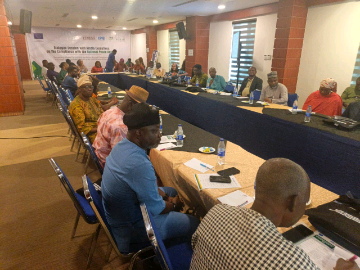
At a stakeholder engagement event hosted by the Federal Ministry of Finance in Abuja, Mr Mustapha Sunday, Executive Director, Operations, NDIC, revealed this.
According to Sunday, the company is currently in charge of over 281 million deposit accounts across 914 licensed financial institutions.
“While additional recoveries continue, we have also paid N33.59 billion as liquidation dividends to uninsured depositors,” he stated.
“The corporation recovered billions of Naira through debt recoveries, investments, and disposal of assets belonging to failed financial institutions,” he said.
According to him, NDIC examined 287 financial institutions on-site in 2025 and addressed roughly 85% of depositor complaints.
“Because of their vital role in protecting depositors’ funds, Nigerian banks continue to be among the nation’s most regulated institutions,” Sunday stated.
He went on to say that the company had made contributions to the Federal Government’s Consolidated Revenue Fund totalling approximately N950 billion, including roughly N274 billion in the year prior.
Nigerians were reassured on Sunday that NDIC would keep reviewing deposit insurance coverage, bolster digital finance, and maintain trust in the banking industry.
He reiterated the company’s dedication to backing the economic reforms of the federal government.
Before this, Mr Raymond Omachi, Permanent Secretary, Finance, Federal Ministry of Finance, stated that effective fiscal reforms, transparency, and better public service delivery required ongoing stakeholder engagement.
According to Omachi, the involvement demonstrated the ministry’s dedication to responsibility and clear communication regarding government policies and initiatives. He continued by saying that the platform allowed the ministry to highlight accomplishments in carrying out ministerial mandates and presidential directives.
“Under Tinubu’s administration, the ministry has remained committed to fiscal reforms to strengthen public financial management and restore macroeconomic stability,” he stated.
According to him, the reforms were intended to put Nigeria’s economy on a sustainable growth trajectory while encouraging accountability, efficiency, and responsible use of public funds.
He claims that the NDIC was chosen for the current session due to its vital role in protecting depositors and maintaining financial stability.
“A vital component of Nigeria’s financial safety net, protecting depositors whenever banks experience distress,” he said of the company.
According to Omachi, participants will have the chance to ask questions and get answers from pertinent agencies regarding ongoing reforms. He was confident that the engagement would enhance policy implementation and increase public awareness of financial sector reforms.










Leave a Reply