


The Nigerian Maritime Administration and Safety Agency (NIMASA) has projected a gross revenue of about N724 billion for 2026, outlining spending plans that will cover recurrent expenditure, capital projects, maritime security operations, seafarers’ development, and key infrastructure upgrades.
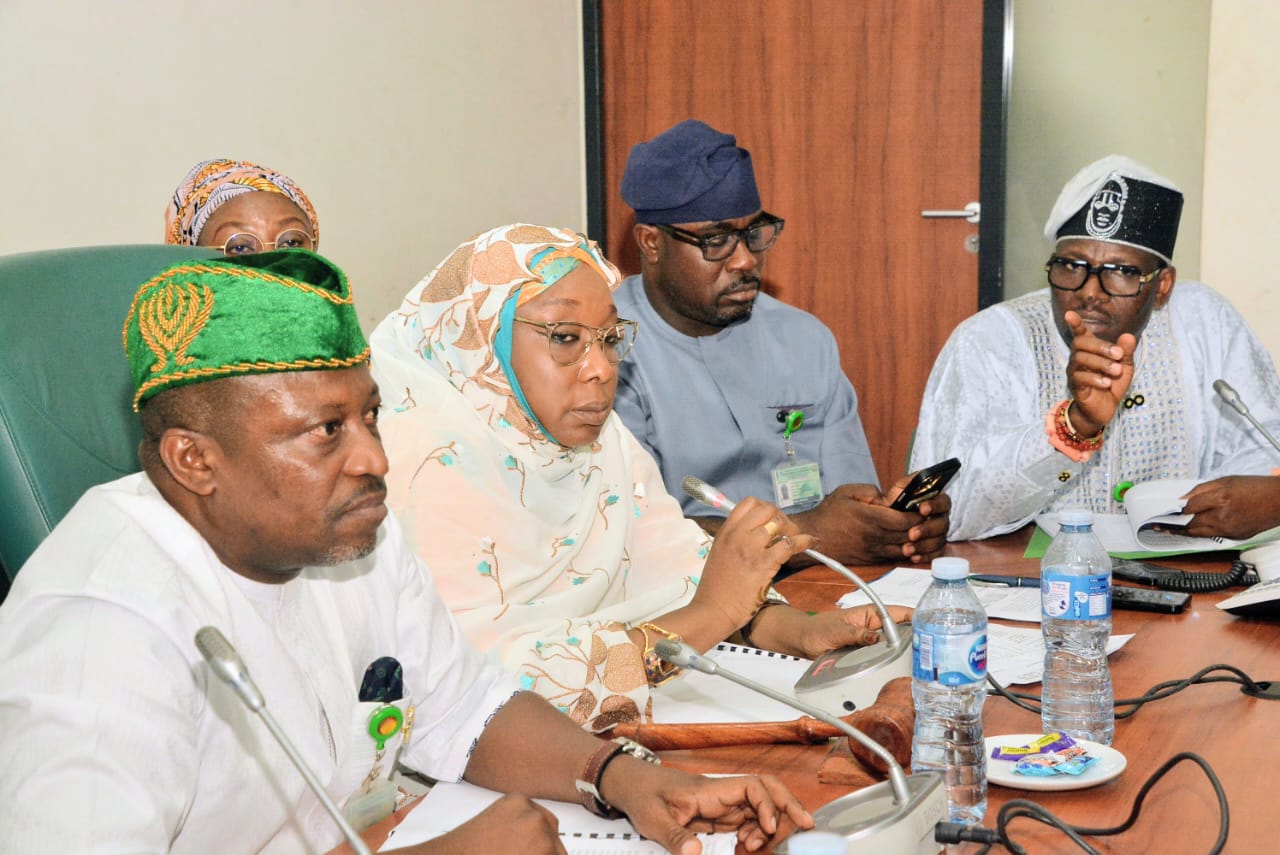
The projection formed the highlight of the agency’s 2026 budget defence before the House of Representatives Committee on Maritime Safety, Education and Administration, where lawmakers pressed for clarity, accountability and measurable performance outcomes.
The chairman of the committee, Khadija Abba Ibrahim, said the revenue target must be backed by realistic assumptions and efficient implementation.
“Heads of agencies must take direct responsibility for their plans, projections, and performance,” she said, warning that the National Assembly would no longer condone weak projections or opaque financial practices.
She stressed that budget approvals would be tied strictly to performance. “Opacity and weak performance will no longer be tolerated,” the lawmaker stated.
According to her, the committee expects the agency to demonstrate how the projected N724 billion will translate into tangible outcomes across maritime safety, capacity development and operational efficiency.
“This session is an opportunity for the agency to clearly articulate its 2026 roadmap and address pressing concerns, ranging from maritime insecurity to capacity development and operational efficiency,” she added.
The panel further demanded detailed breakdowns of the revenue projections and expenditure framework, including strategies for revenue optimisation and updates on ongoing and proposed capital projects.
Lawmakers emphasised that the maritime sector remains a critical pillar of Nigeria’s economy, insisting that every allocation must deliver measurable value.
“Every budgetary allocation must translate into tangible value, strengthening security, boosting indigenous shipping capacity, and driving sustainable economic growth,” the committee said.
Defending the figures, the Director General of NIMASA, Dayo Mobereola, said the agency’s revenue outlook is anchored on reforms already underway, particularly the automation of operations and revenue collection systems.
“We are not just digitising operations; we are securing revenue and enforcing accountability across the board,” he said, noting that the initiative followed approval by the Federal Executive Council.
Mobereola explained that the MOKOSA platform is central to the reforms, designed to eliminate leakages and ensure transparent remittances of all government revenues.
-drivenHe also disclosed that the Cabotage Vessel Financing Fund (CVFF) has been relaunched, attracting about 60 applications from indigenous shipping firms under a stricter, bank driven framework to ensure sustainability.
Despite the projections and reform efforts, some lawmakers raised concerns over the absence of a comprehensive review of the agency’s 2025 performance, questioning the basis for the 2026 revenue estimates.





Leave a Reply