


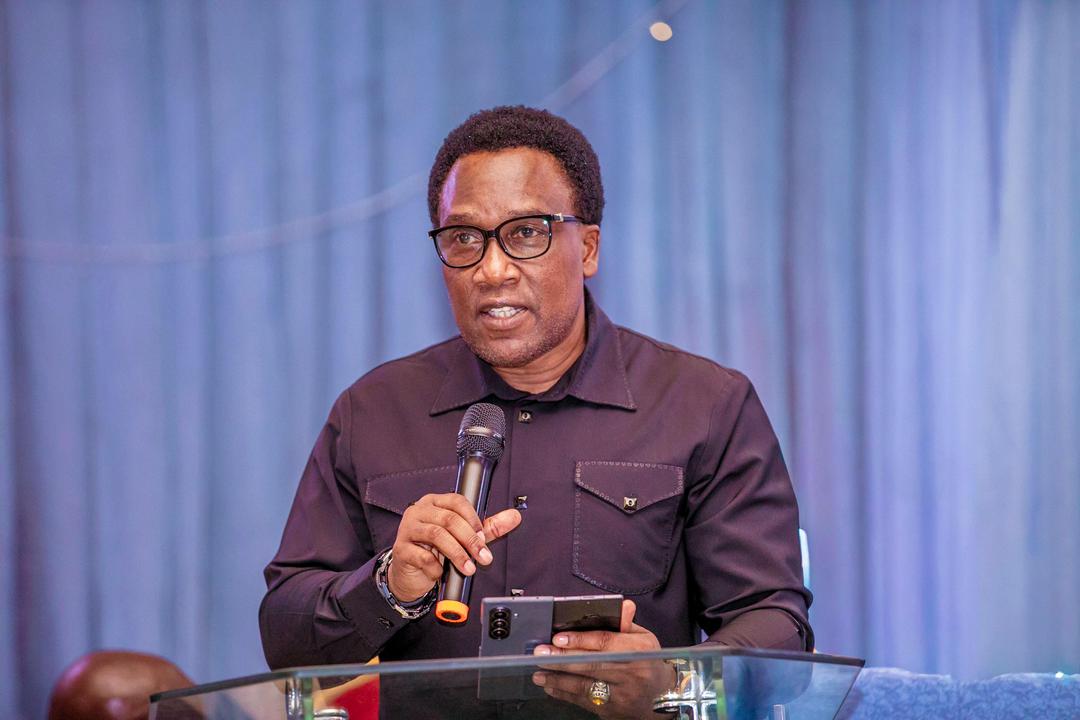
Prof. Charles Anosike, Director General and CEO of the Nigerian Meteorological Agency (NiMet), has urged the rapid adoption of artificial intelligence, satellite remote sensing and big-data analytics to bolster Nigeria’s climate resilience.
Speaking at the opening of the 2026 International Conference of the Nigerian Meteorological Society (NMetS) and the society’s 35th Annual General Meeting at the University of Lagos, Akoka, Anosike delivered the keynote address for the conference, themed “Advancing Meteorology: Harnessing AI, Satellites, and Big Data for Climate Resilience and Sustainability.”
“Climate change is no longer a distant concern,” he said. “It is a lived reality—seen in rising temperatures, erratic rainfall, floods, droughts, heatwaves and more frequent extreme weather events that disrupt ecosystems, economies and communities across Africa.”
Anosike described the specific climate pressures facing Nigeria—including temperature extremes, shifting rainfall patterns, advancing desertification in the north and coastal erosion in the south—and warned that traditional meteorological methods are increasingly inadequate. He said AI, satellite observations and high-performance computing are now central to NiMet’s efforts to deliver precise, impact-based forecasts and early warnings.
Highlighting international and private-sector collaborations, Anosike noted partnerships with AIM for Scale, Ignitia, Tomorrow.io, the Korean Meteorological Authority and the China Meteorological Administration to integrate AI into operational forecasting. He also pointed to NiMet’s Digital Climate Advisory Service (DCAS), which provides tailored weather advisories to farmers to support climate-resilient agriculture.
Anosike called on scientists, educators, private industry and civil society to strengthen observation networks, expand climate services and ensure that research is ethical and policy-relevant. He urged NMetS to mentor the next generation of meteorologists and to align national efforts with the United Nations’ Early Warnings for All initiative.
Reaffirming NiMet’s commitment to science and technology, he pledged continued investment in tools and partnerships to protect communities and livelihoods from escalating climate risks. The DG was later presented with a fellowship and a commendation in recognition of his contributions to meteorology.







Leave a Reply