



Ahead of the 2027 general elections in the country, the ruling All Progressives Congress, APC, has ruled out granting automatic tickets to members of the National Assembly and other aspirants seeking elective offices.
The party’s national chairman, Prof. Nentawe Goshwe Yilwatda, disclosed this during a media chat on Channels Television on Wednesday night, stressing that such a move would violate both the Electoral Act and the party’s constitution.
Yilwatda acknowledged that the party had received multiple requests from lawmakers seeking automatic tickets but insisted that the APC would adhere strictly to due process.
He said, “All aspirants must test their popularity through either the direct primary system or a consensus arrangement, as provided by law, background to agitation for automatic tickets.”
The push for automatic tickets by some federal lawmakers and party loyalists is not new within the APC. Since the 2019 and 2023 election cycles, many incumbents have argued that granting them return tickets would help the party avoid costly and divisive primary contests, which in the past triggered internal disputes, litigation, and defections.
Prof. Yilwatda further explained that “consensus candidacy would only be valid where all aspirants agree in writing and the process is duly ratified by party officials responsible for conducting the primaries.”
Proponents of the arrangement also believe that incumbents, particularly legislators, already possess established political structures and grassroots networks that could give the party an edge during general elections.
However, critics within the party warn that automatic tickets undermine internal democracy, shut out new entrants, and often fuel resentment among grassroots members who feel excluded from the candidate selection process.
The APC leadership has repeatedly faced the delicate task of balancing these competing interests, especially as the 2027 elections approach and intra-party competition intensifies across states.
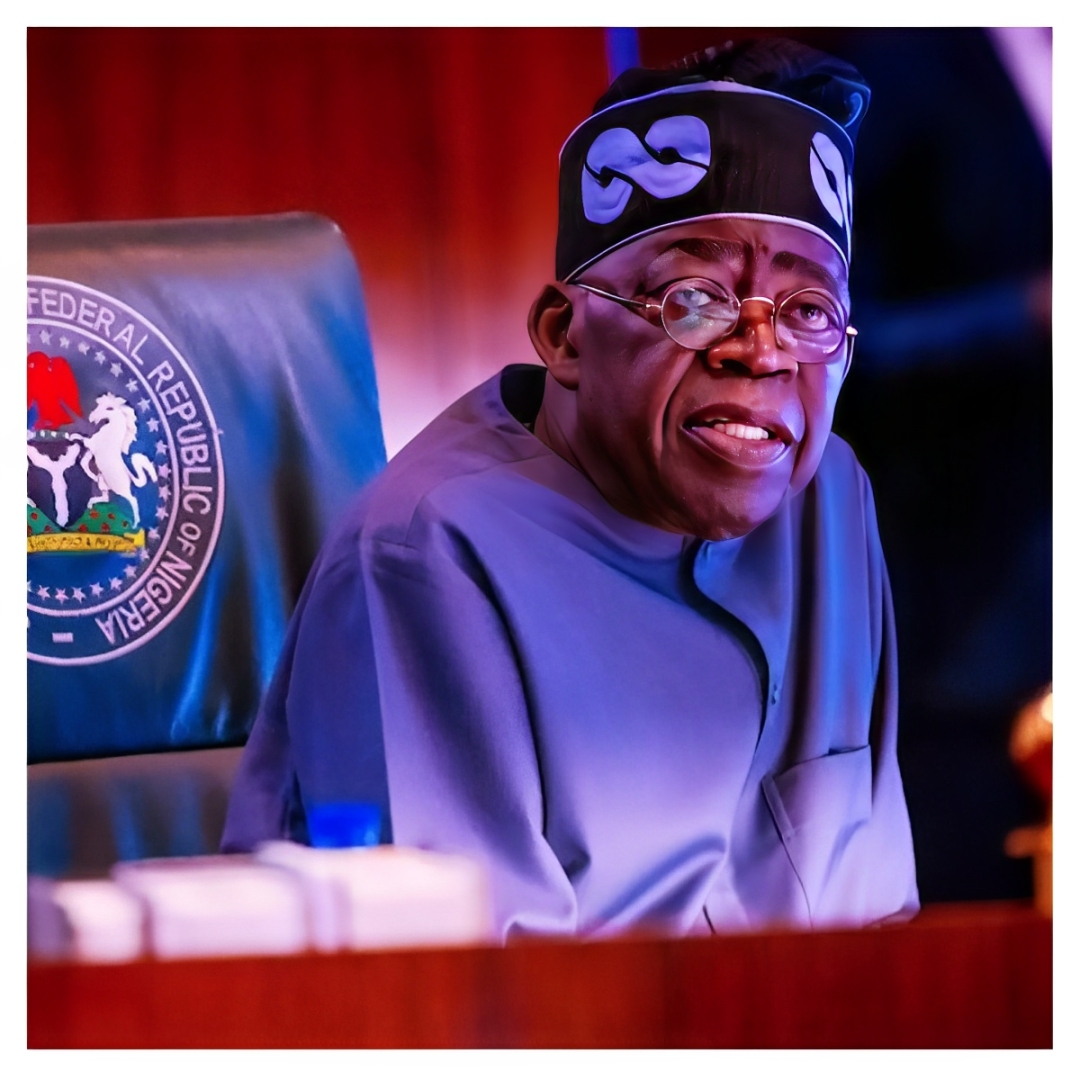
The APC National Chairman, who appeared alongside the party’s National Secretary, Surajudeen Ajibola Basiru, expressed confidence in the party’s electoral prospects, noting that the administration of President Bola Ahmed Tinubu has delivered significant infrastructure and empowerment programmes across the country.
Addressing major concern over the recent defection of the former Kano State Governor to the African Democratic Party, ADC, Prof. Yilwatda said, “Our growing concern over the defection of the former Governor of Kano State, Senator Rabiu Musa Kwankwaso, to the ADC is a move that has stirred anxiety within some APC circles about a possible erosion of its support base in the North-West.”
Kwankwaso, who is the leader of the influential Kwankwasiyya movement, commands a loyal grassroots following, particularly amongst urban youth and rural voters in Kano and parts of the wider region.
His political structure has historically proven capable of swinging electoral outcomes, as seen in previous contests in Kano State.
The fear amongst some APC stakeholders is that his defection could consolidate opposition forces and fragment the ruling party’s traditional vote base in Kano, which is one of Nigeria’s most politically significant states by voter population.
The APC’s entrenched structures, backed by key political figures and incumbents like Governor Abba Kabir Yusuf and his predecessors Abdullahi Umaru Ganduje and Ibrahim Shekarau, remain strong enough to withstand any opposition surge spearheaded by Kwankwaso.
“That alignment, involving established APC stakeholders across Kano and neighbouring states, would neutralise any potential gains by Kwankwaso and his supporters,” Yilwatda said, dismissing the fears of Musa Kwankwaso and his Kwankwassiyya group dominating the electorate in the state in the 2027 election.
He further projected similar dominance for the APC in Sokoto, Zamfara, Kebbi, Katsina, and Kaduna States, attributing this to what he described as “improved governance and sustained infrastructural development over the past three years”, he added.









Leave a Reply