


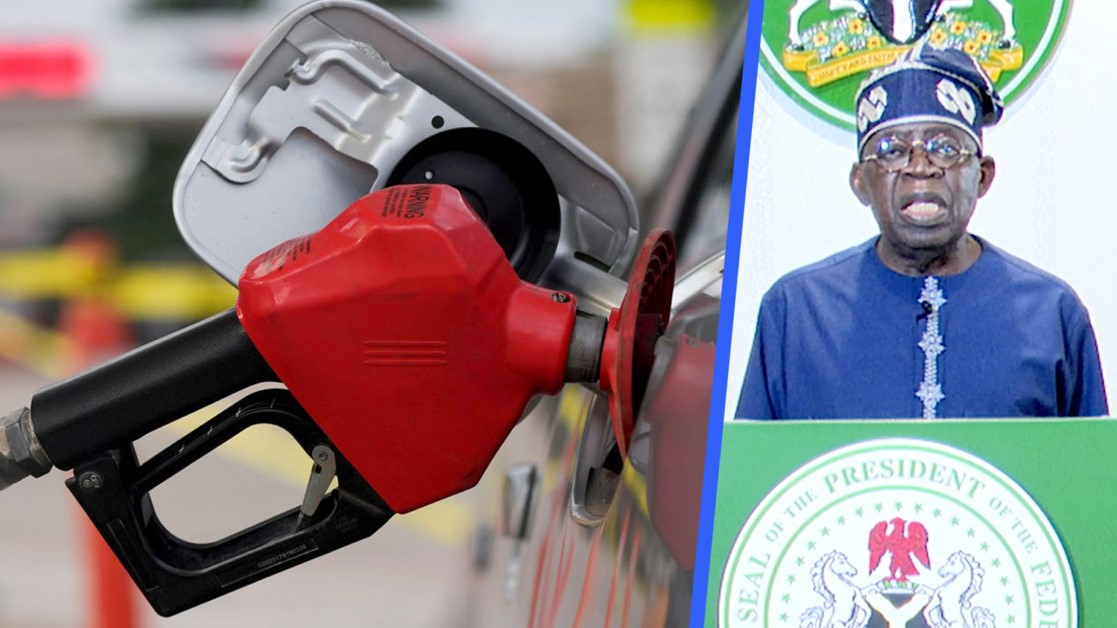
The recent decision by the Federal Government of Nigeria to discontinue the longstanding fuel subsidy policy has triggered widespread protests across the country. Major cities including Lagos, Abuja, Port Harcourt, Kano, and Enugu have seen public demonstrations led by commuters, transport unions, students, and civil society organizations.
The abrupt removal of the subsidy led to a sharp increase in fuel prices, with the average pump price soaring from ₦617 to nearly ₦950 per litre in some areas. This sudden spike has had a cascading effect on transportation costs, food prices, and daily living expenses, disproportionately affecting low-income households and small businesses.
In Lagos, hundreds of commercial bus drivers staged a peaceful protest along Ikorodu Road, chanting solidarity songs and demanding an immediate reversal of the policy. “We cannot survive like this,” said Chinedu, a commercial driver. “We now spend more than half of our daily income on fuel.”
Similar demonstrations took place in Abuja, where market women, students, and labor groups blocked major roads in protest. The Nigeria Labour Congress (NLC) and the Trade Union Congress (TUC) issued a joint statement condemning the move and issued a seven-day ultimatum, threatening to initiate an indefinite nationwide strike if the government fails to roll back the policy or provide meaningful palliatives.
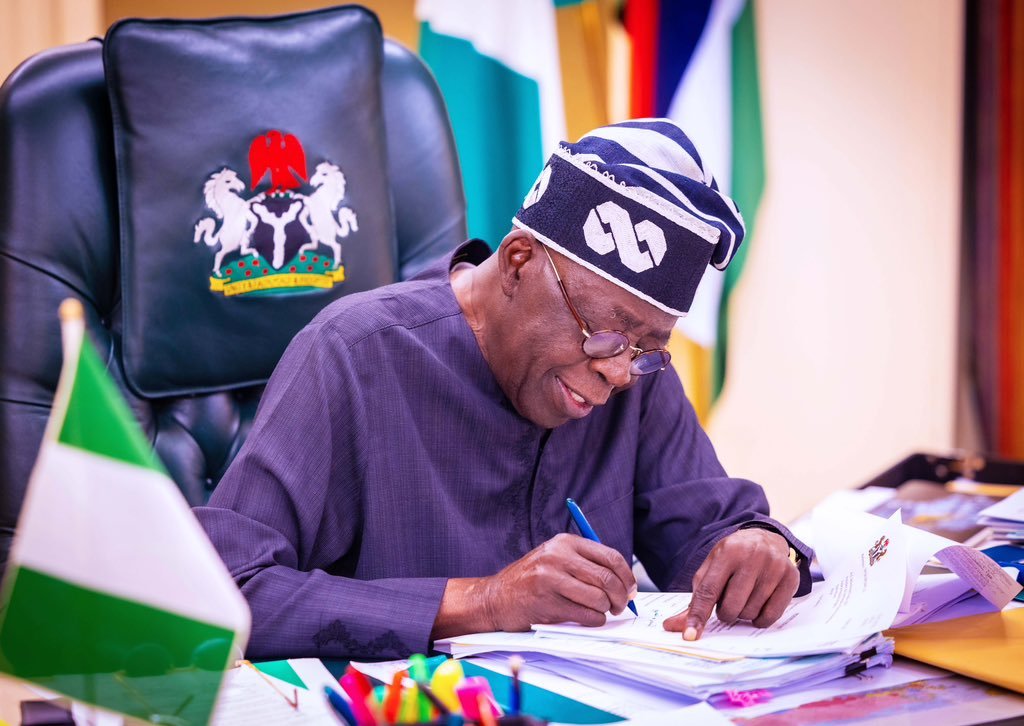
President Bola Ahmed Tinubu, in a national broadcast, defended the decision, arguing that the subsidy regime had become economically unsustainable. He stated that savings from the subsidy removal would be redirected toward infrastructure development, healthcare, education, and social intervention programs aimed at reducing poverty. However, critics and opposition parties argue that the removal was too abrupt and lacked a clear transitional plan, leaving millions of Nigerians vulnerable.
Economists and policy analysts are divided. While some agree with the economic rationale behind ending the subsidy, others caution that the government must first establish safety nets to prevent mass suffering. “Subsidy removal makes sense on paper,” said Dr. Amina Yusuf, a Lagos-based economist. “But without immediate relief measures, you risk fueling deeper unrest and eroding public trust.”
As protests continue to spread, many Nigerians are left uncertain about the weeks ahead. Fuel stations remain crowded, transport costs are still climbing, and the government is under immense pressure to act swiftly.
The fuel subsidy debate remains one of the most contentious issues in Nigeria’s socio-economic landscape. While reform is necessary, the path to change must be carefully managed to avoid escalating tensions and harming the very citizens the government seeks to protect.
Source: Channels TV
🔗 https://www.channelstv.com/2025/07/18/fuel-subsidy-removal-protests-in-major-cities/







Leave a Reply