



The House of Representatives has begun an investigation into the alleged non-release of N174.26 billion in agricultural intervention funds.
The Chairman of the Committee on Agricultural Production and Services, Hon. Bello Ka’oje, disclosed this in a statement on Sunday, calling on Ministries, Departments, and Agencies (MDAs) and development partners to cooperate fully with the investigation.
He urged all relevant stakeholders to provide necessary documents and support to enable a transparent and comprehensive investigation.
The House adopted a motion in late January, sponsored by Ka’oje, mandating the committee to investigate development partner-funded agricultural projects, especially those backed by the African Development Bank (AfDB) and the Japan International Cooperation Agency (JICA).
According to the lawmaker, the probe will examine the circumstances surrounding the non-release of the N174.26 billion intervention funds and the persistent high cost of fertiliser affecting farmers nationwide.
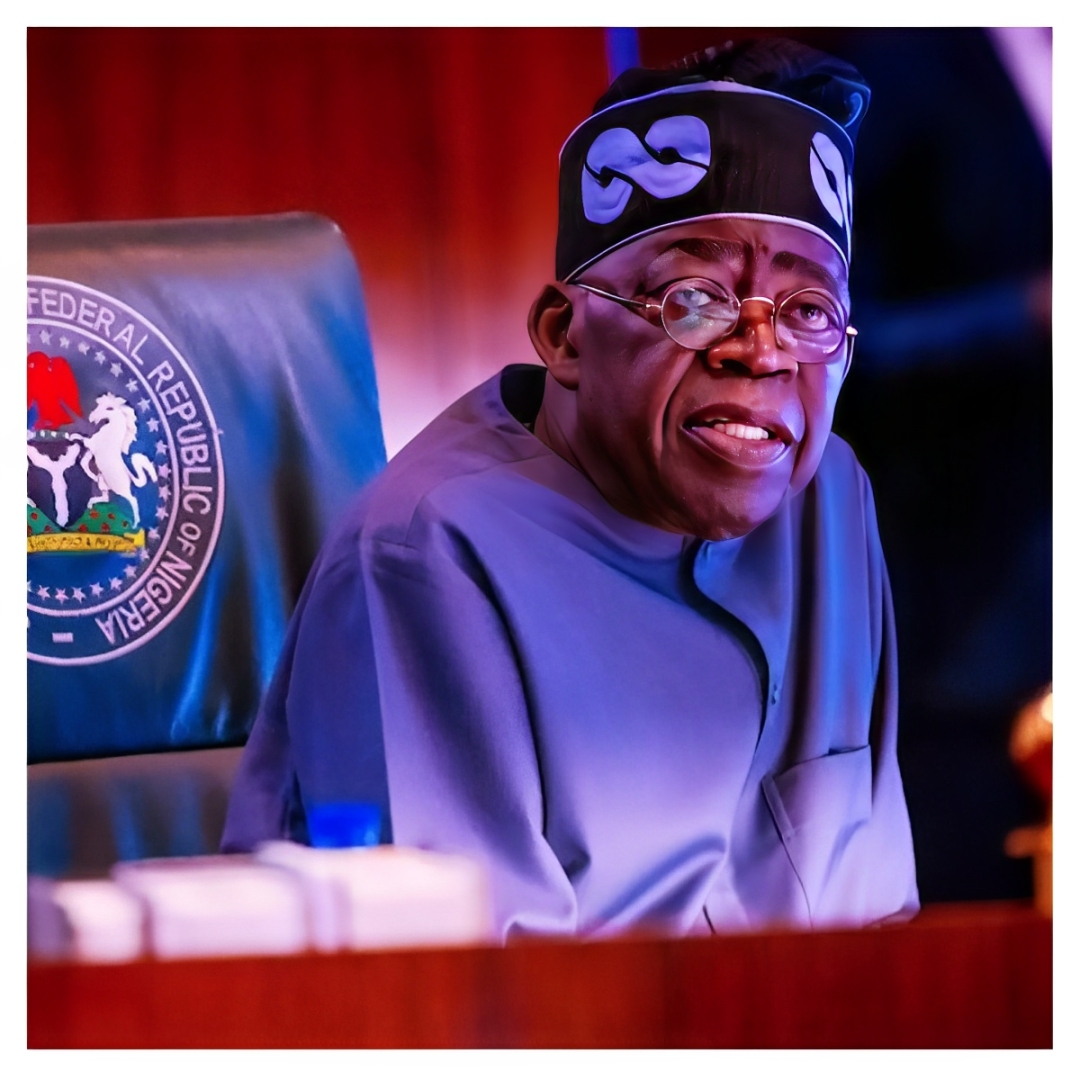
He noted that delays in releasing funds secured from international partners have heightened food security concerns, despite President Bola Ahmed Tinubu’s declaration of a state of emergency on food security in July 2023.
Ka’oje revealed that Nigeria negotiated a $134 million AfDB loan in February 2023 for the National Agricultural Growth Scheme–Agro Pocket (NAGS-AP) Project, with $99.67 million already disbursed into the Consolidated Revenue Fund, while N55.30 billion remains outstanding for agro-dealers supporting 280,000 wheat and 150,000 rice farmers under the 2024/2025 dry season programme.
He further disclosed that 15 billion Japanese yen was secured from JICA in April 2024 as a Food Security Emergency Support Loan, adding that although the first tranche of 12 billion yen valued at N118.96 billion was disbursed in March 2025, it has yet to be released to implementing agencies.
The JICA facility, he said, was designed to support 550,000 smallholder farmers with subsidised inputs for rice, maize, soybean, and cassava production during the 2025 wet season and the 2025/2026 dry season cycles.
Ka’oje warned that the delay has caused farmers to miss planting seasons, reduced output, and could jeopardise an additional $200 million in AfDB funding under a results-based financing arrangement, urging all agencies to cooperate with the National Assembly to clear bottlenecks and safeguard food security.






Leave a Reply