


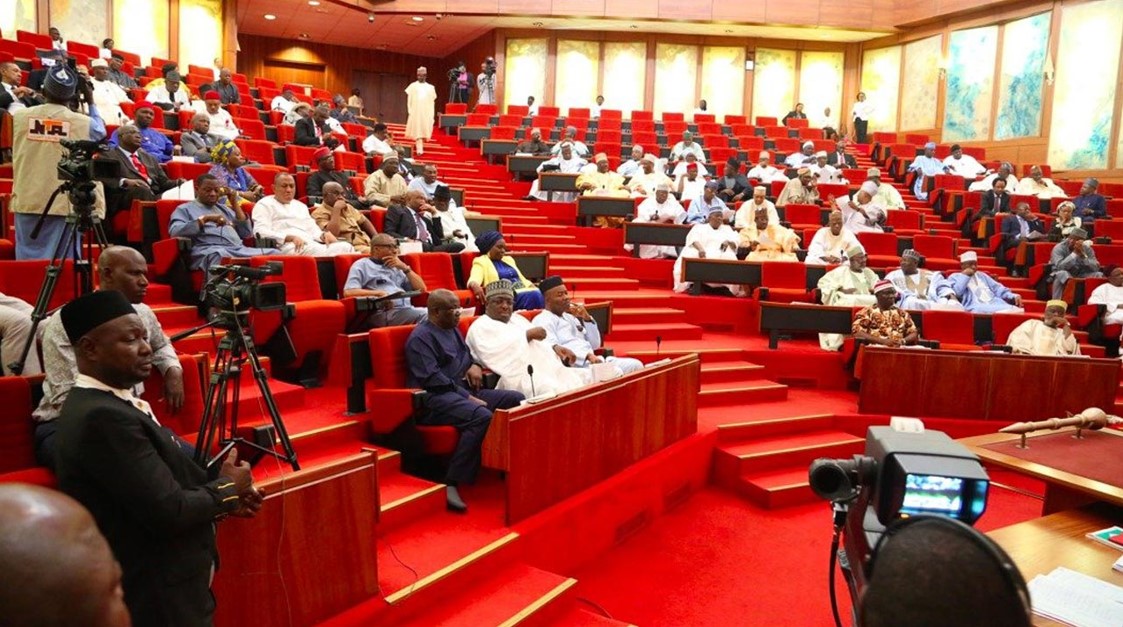
The Nigerian Senate is spearheading efforts to introduce diaspora voting for the 2027 General Elections, a move that could transform Nigeria’s electoral landscape. In July 2025, Senator Ned Nwoko’s motion to amend the Electoral Act 2022 gained traction, advocating for secure digital platforms to enable over 17 million Nigerians abroad to vote. Senate President Godswill Akpabio described the initiative as a democratic milestone, aligning Nigeria with countries like Ghana and South Africa. The amendment proposes electronic voting systems with end-to-end encryption to ensure security, addressing concerns about hacking and voter verification.
The push follows years of advocacy from diaspora groups, who argue that their economic contributions—$20 billion in remittances in 2024—warrant political inclusion. The Senate Committee on Electoral Matters is consulting with INEC and tech experts to design a framework for overseas polling centers and online voting. Challenges include Nigeria’s uneven digital infrastructure and the need for robust cybersecurity. Critics warn that rural voters could be marginalized if resources shift to diaspora systems, but proponents argue that technology can bridge both gaps.
Pilot tests are planned for off-cycle elections in 2026, with INEC exploring blockchain-based voting systems. Civil society groups like the Nigerian Diaspora Voting Council have called for transparent implementation and public awareness campaigns. The amendment, if passed, could increase voter turnout and strengthen Nigeria’s global democratic standing. However, funding and logistical hurdles remain, with stakeholders urging international partnerships to ensure success.
Source: The Punch
Link: https://punchng.com/










Leave a Reply