


By Isah Aliyu Chiroma
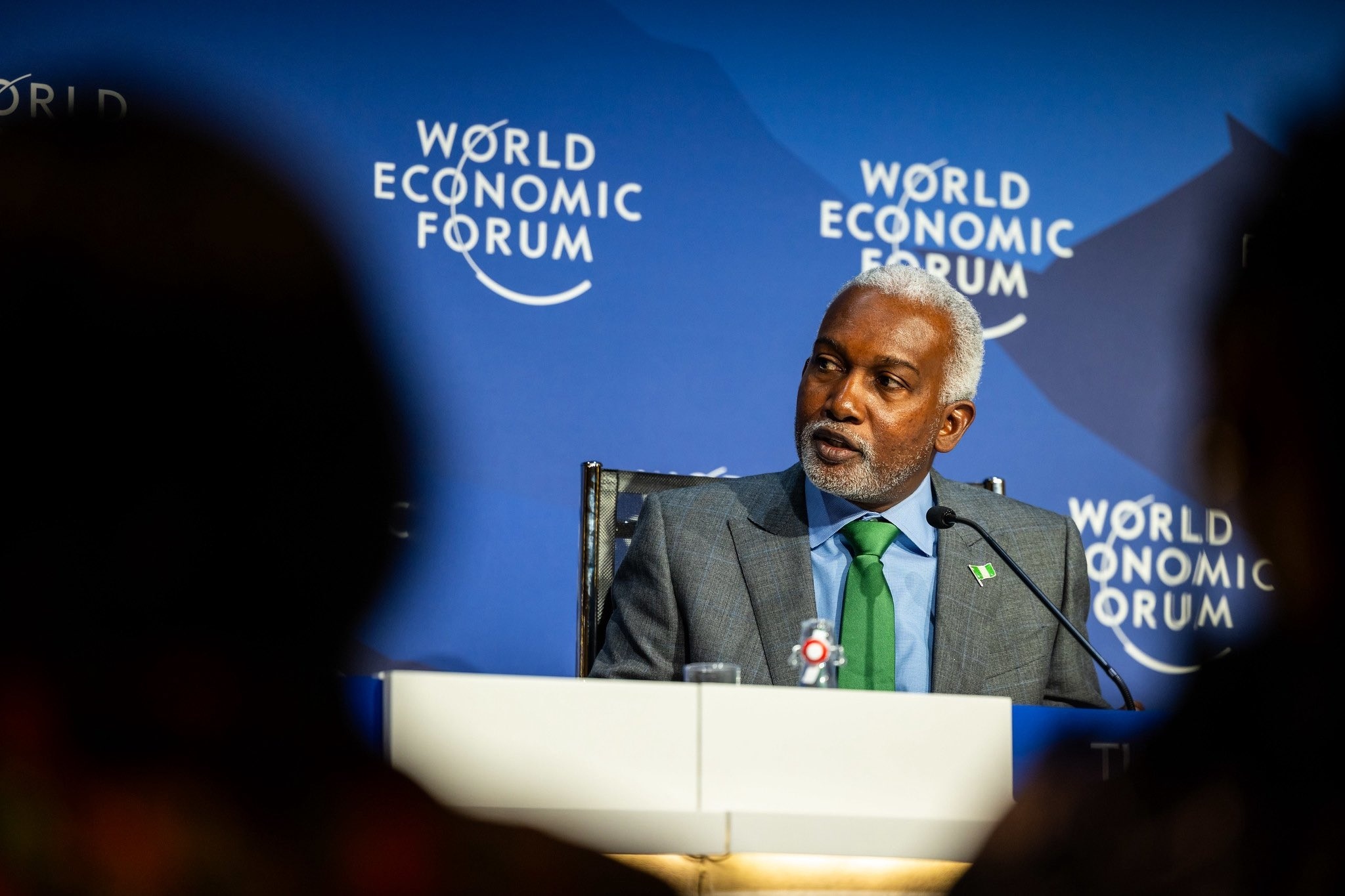
As the world’s economic and political elites converged at the World Economic Forum 2026 in Davos-Klosters, Nigeria’s role at the summit stood out not just for its symbolism but for its substance. In an era marked by political fragmentation, technological disruption, and the urgent need for shared prosperity, Nigeria’s proactive participation in Davos is both timely and consequential.
Dialogue”, For years, the annual Davos gathering has been where global priorities are debated, and alliances are forged. Yet, 2026 feels different. The theme, “A Spirit of Dialogue”, strikes at the heart of what the world needs most: open, inclusive, and action-driven collaboration. As Africa’s most populous nation and its largest economy, Nigeria’s engagement at Davos signals a broader ambition: to shape the continent’s narrative, drive regional stability, and contribute meaningfully to the global agenda.
Nigeria’s approach this year has been clearly seen and understood. Gone are the days of passive participation; instead, Nigeria has used Davos as a platform to promote economic diplomacy rooted in dialogue, coordination, and mutual benefit. With the global order in flux, Nigeria has positioned itself as a credible partner, a partner that values cooperation over confrontation and seeks to bridge divides rather than damaging existing ones.
This commitment is visible in Nigeria’s advocacy for coordinated action on issues ranging from digital governance to security. The Minister of Foreign Affairs, Yusuf Maitama Tuggar OON, has underscored the need for responsible development and regulation of artificial intelligence, information integrity, and the use of technology as a force for institutional strength and conflict prevention. Through a series of engagements with stakeholders in technology and artificial intelligence, the minister is shaping the narration at the global stage on how Nigeria can advance information-sovereign AI, using national data to train and run models locally, retain ownership, and protect sensitive information. By championing these issues, Nigeria not only addresses its own challenges but also contributes to global conversations that will shape the future.
At Davos, Nigeria has also emphasised the strategic value of its youthful population, vibrant innovation ecosystem, and dynamic diaspora networks. These assets are not mere statistics; they are pillars for driving productivity, fostering resilience, and ensuring long-term growth both at home and across Africa. Nigeria’s message at the world stage is clear: demographic strength, when properly leveraged, becomes a source of stability and prosperity.
Regionally, Nigeria’s leadership remains pivotal. With West Africa facing mounting challenges from political instability, security threats, and slow economic integration, Nigeria’s call for greater coordination could not be more urgent. By spotlighting African-led platforms such as the West Africa Economic Summit and the Regional Partnership for Democracy, Nigeria is promoting models for aligning policy, upholding democracy, capital, and delivery across borders. This approach not only benefits Nigeria but also sets the stage for broader continental progress.
Nigeria’s Davos agenda is not limited to regional ambitions. The country is actively engaging with global partners to reinforce its role as a stabilising force. Whether on climate resilience, digital transformation, or economic diversification, Nigeria is positioning itself as both a solution provider and a willing collaborator. This new posture is essential for attracting international investment, building trust with partners, and ensuring that Nigeria’s voice is heard on matters of global importance.
Moreover, Nigeria’s emphasis on inclusive dialogue, bringing together governments, the private sector, and civil society, reinforces its commitment to a multi-stakeholder approach. The lessons of Davos 2026 are clear: no country, however powerful, can address today’s complex challenges alone. Nigeria’s willingness to engage, listen, and lead by example is a template for how emerging markets can shape the future order.
Nigeria’s participation in Davos 2026 marks a turning point in its approach to international engagement. By embracing economic diplomacy, championing regional integration, and advocating for responsible technological governance, Nigeria is redefining its role on the world stage. The country’s actions at Davos have not only enhanced its credibility but have also contributed to a broader narrative of cooperation, stability, and shared prosperity.
As Nigeria takes the lead to move West Africa from promise to performance in a shifting global economy, through a clear diplomatic posture, advancing dialogue, shaping norms and delivering outcomes, our economic diplomacy is at its best. This will build dialogue that builds confidence, diplomacy that supports growth and partnerships focused on delivery.
This can only be achieved through cooperation, reinforcing diplomacy, which is grounded in dialogue, coordination and shared responsibility. West Africa at the global stage will be repositioned, and above all, Nigeria will be positioned as a credible global partner and a stabilising force in Africa.






Leave a Reply