



Anwuli Okwuashi
In a world where “information is the new gold”, information – especially good information – is crucial for decision-making and sustainable development.
The developing world and countries like Nigeria, to be specific, require reliable information to navigate through and address critical problems and barriers such as poverty, unemployment, and the unavailability of both human and infrastructural resources.
Nigeria struggles in this regard, and contributing factors include resource-poor institutions, outdated modes of operation, and infrastructural hurdles. These factors culminate in the generation of erroneous economic indicators and the creation of socio-economic disparities.
Socio-Economic Setbacks: A Distorted Economic Landscape
This lack of accurate information not only significantly impacts the overall socio-economic structure of Nigeria but also continues to short-change innovations and paints an incredibly misleading pattern of growth.
For example, the traditionally used GDP information grossly underestimates critical areas like entertainment, telecommunication, and even the informal sector, where a substantial number of Nigerians find employment. When rebasing their estimated GDP in 2014, the Nigerian Bureau of Statistics (NBS), in what was a gross surprise to everyone, saw their estimates go up by 89% from $270 billion to a whopping $510 billion, giving the country a brief status as the largest economic powerbase in Africa until the obvious weak data exposed the failure to drive structural changes sustainably, leaving the economy largely dependent on the export of crude oil.
Another stark piece of evidence of the devastating impact is seen in the presentation of inflation data, stagnant at 33% and 34% due to an increase in food prices and devaluation of the currency, but the official impact on citizens is downplayed. Even the World Bank regurgitated this misinformation when it reported a seven per cent decline in poverty at the start of 2024, even as the actual rate was rising at double digits following the hardship caused by the Tinubu administration.
Unless there is accurate household-level data on the distribution of income and consumption patterns, social safety nets fail to reach the most vulnerable who really need such assistance.
The 2023 fuel subsidy removal, a bold economic reform, caused fuel prices to skyrocket and inflation to hit a 28-year high, yet cushionary measures like cash transfers were inadequately targeted due to incomplete poverty metrics.
The National Social Investment Programme (NSIP), with an outrageous budget of ₦400 billion in 2022, benefited only a fraction of those in need and was plagued by inefficiency in data and operations and corruption. Beyond economics, the poor quality of data perpetuates problems in the health care and education sectors, and the unavailability of geospatial data hampers efficient service delivery, in addition to a poor internet and energy supply network discouraging online education and health care. Do we need to mention how the lack of quality data led to wrong predictions and poor allocation of resources during the COVID pandemic, worsening economic and health outcomes?
Policy Setbacks: Governance in the Dark
The policy implications of such inaccurate data are just as catastrophic, resulting in misinformed decision-making, poor governance, and lost opportunity for sustainable developmental strategies. For policymakers, this creates a problem of working in silos, where institutions such as the NBS are subjected to underfunding, late releases, and politicising such statistics for gain.
The most current economic data comes at the end of a quarter for the previous quarter, which hinders timely decision-making. The recent move in 2023 to standardise the naira exchange rate to stabilise the economy instead caused huge inflation, without the correct data for such impacts, resulting in responsive decision-making rather than proactive decision-making. Decision-making in Nigeria is further impeded by politicising statistics for their own benefit, where statistics are manipulated for such decision-making, including the dispute of population statistics for federal allocation and for election processes.
Nigeria has not had a census in more than a decade, in contravention of UN recommendations, resulting in the misallocation of planning for such a substantial increase in the growing population. The unavailability and lack of integration of geospatial data for agencies have resulted in duplication of efforts and a lack of standard interpretation, stymying such projects in urban planning and disaster response initiatives. This aversion of policy decision-making towards data analysis, for reasons such as bias or other personal intentions, impedes decision-making for informed changes and hurts international relations and investments due to delays in decision-making.
Charting a Path Forward:
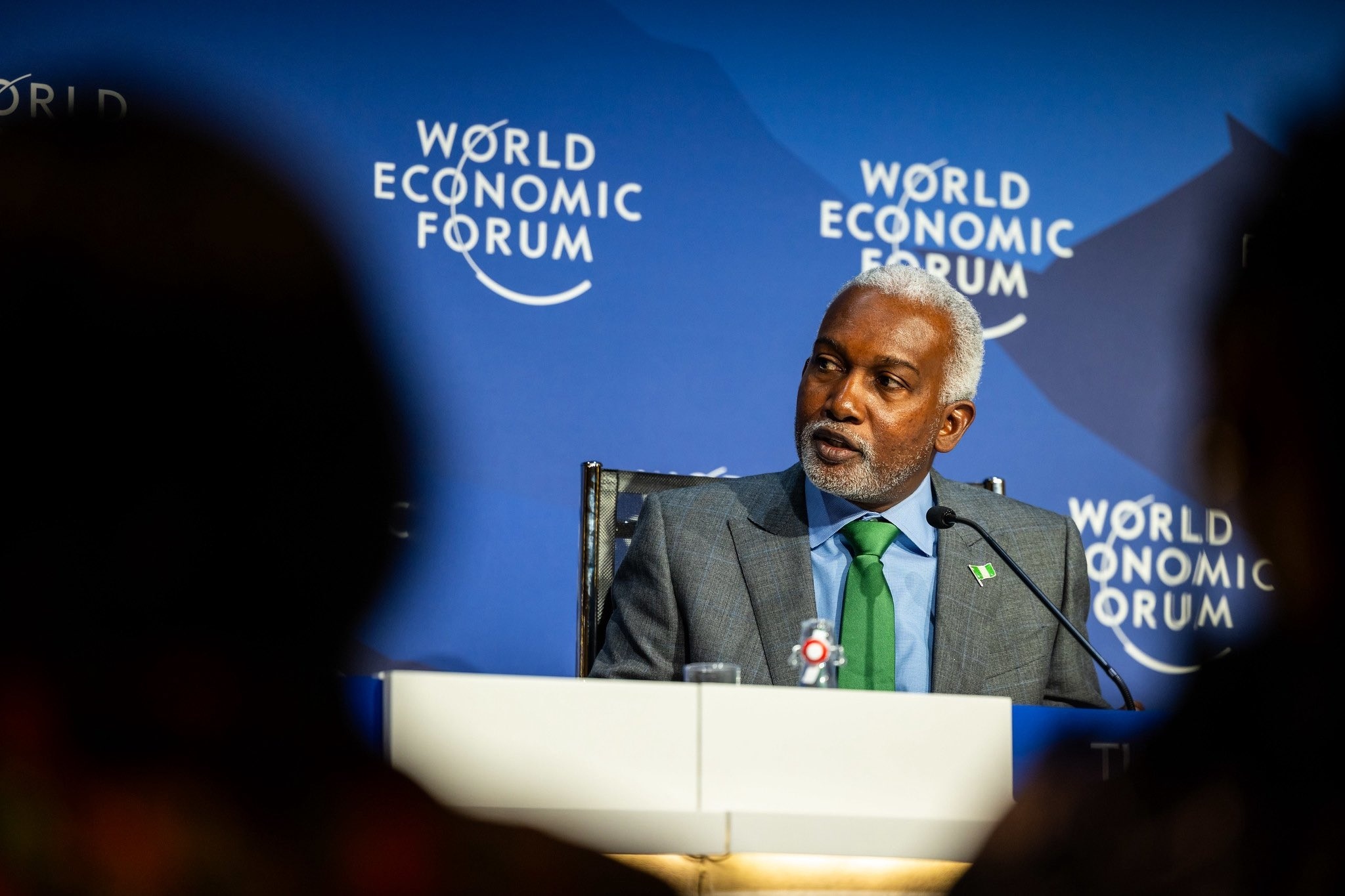
When Dr Bosun Tijani was appointed Minister of Communications, Innovation, and Digital Economy in 2023, there were so many high hopes for bold change, given his young age and tech background; but his stint has, however, been considerably aligned with the enduring patterns of the past – white elephant projects at the expense of urgent foundational reforms.
There is an over-investment in advanced projects, such as A,I at the expense of low-hanging fruit like the creation of an Integrated National Master Data System. High-quality integrated data forms the backbone for anything remotely resembling good governance, from identification verification to efficient public service delivery; without this, even the most advanced AI systems have next to nothing to build from. What data would be used to train the AI models? At best, the same flawed or incomplete data sets, and at worst, simulated data with no representation of real situations.
This shortcoming in the country’s data system comes with serious consequences, as has been shown by several recent global developments. The global condemnation of the administration due to the denial of glaring religious-driven security concerns in the Middle Belt and northern Nigeria targeted at Christians.
The Trump administration recently announced adding Nigeria to a growing list of countries facing partial entry to the US due to “demonstrated, persistent, and severe deficiencies in screening, vetting, and information-sharing”, a decision that disrupts education, commerce, and family ties across borders. Public outcry has been loud, with many seeing this development as a humiliating setback that further degrades Nigeria’s image before the international community. It does, however, drive home the hard reality: these are foreseeable diplomatic consequences when fundamental reforms, including strengthening the integrity of data, are relegated to the backseat.
With Nigeria’s population projected to exceed 400 million by the middle of the century, functional data systems around which policies and programmes will revolve cannot be compromised if the country is ever to fulfil its role as the leading economy of Africa. As a latecomer to the digital and data revolution, Nigeria has a distinct advantage in getting it right from the outset.
By adopting proven technologies from elsewhere and learning from the mistakes of early adopters, the country can avoid costly errors and build robust, effective systems on the first try. There are already systems in place to build upon: NIN, BVN, immigration data, and others. The Jonathan administration also adopted some progressive initiatives as part of the Global Counterterrorism Forum, so it would not be starting from ‘scratch’. However, if the fundamentals are continually neglected, it would mean prolonging a malicious cycle of lost potential, ineffective policies, and eroded global credibility. Now it is time for bold action to take the place of rhetoric.






Leave a Reply